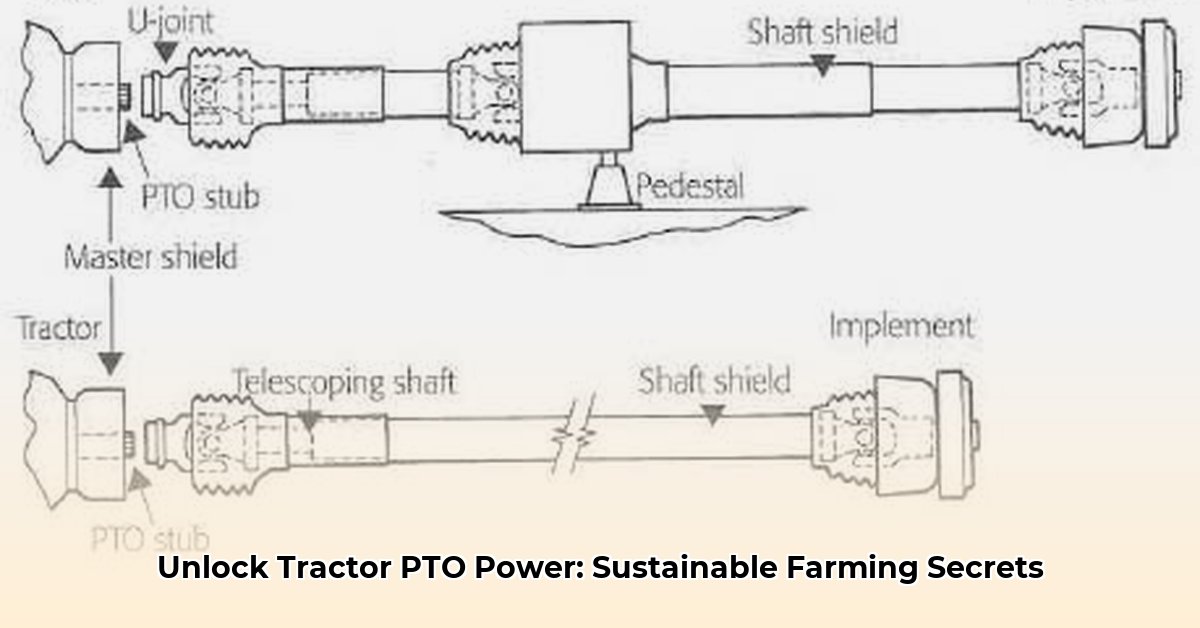
Understanding Your Tractor's Power Take-Off (PTO)
The Power Take-Off (PTO) is your tractor's workhorse, transferring engine power to external implements like tillers, mowers, and balers. Mastering its operation is crucial for efficient and safe farming practices. This comprehensive guide will equip you with the knowledge to use your PTO effectively and sustainably, maximizing output while minimizing fuel consumption and potential hazards. Did you know that proper PTO maintenance can improve fuel efficiency by up to 15%? For more detailed information, check out this helpful guide on PTO basics.
Types of PTO Systems: A Detailed Overview
Different PTO systems offer varying levels of control and efficiency. Selecting the right type for the task significantly impacts your farm's sustainability.
Transmission PTO: This basic type operates only when the tractor is moving. It is simple and cost-effective but lacks versatility for stationary tasks. Think of it as directly linked to the tractor's movement; it stops when the tractor stops.
Live PTO: This allows the implement to run even when the tractor is stationary, ideal for tasks like baling hay. It offers more flexibility compared to the transmission PTO but is slightly more complex.
Independent PTO: This advanced system operates independently of the tractor's speed and movement, granting ultimate flexibility for various tasks. It's the most versatile option, though generally more expensive and complex.
Reverse PTO: This specialized system enables reverse rotation of the implement, beneficial for specific operations. It's not always essential but can significantly improve efficiency for certain applications.
Choosing the right PTO type is a key factor in optimizing fuel efficiency and overall sustainability. For instance, an independent PTO might be more fuel-efficient for tasks with frequent stops and starts compared to a live PTO.
PTO Shaft Types: Ensuring Safe and Secure Connections
Connecting your tractor to implements requires precision, safety, and understanding of shaft types. Improper connections are dangerous and can lead to serious equipment damage.
Domestic Shafts: Typically 1 3/8 inches in diameter with six splines. These are common in North America.
Metric Shafts: Available in various sizes and spline counts. Always consult your implement's manual for the correct specification. Using a mismatched shaft is extremely dangerous.
Matching the PTO shaft to the implement is crucial for both safety and efficient operation. Mismatched shafts can lead to component failure and pose a severe risk of injury.
Step-by-Step PTO Engagement and Disengagement: A Safety-First Approach
Safe PTO operation requires meticulous attention to detail. These steps are crucial for avoiding accidents. Always consult your tractor's owner's manual for specific instructions.
Step 1: Preparation: Ensure the engine is running at the recommended speed (refer to your implement's manual), firmly set the parking brake, and maintain a clear area around the tractor.
Step 2: Clutch Depression: Fully depress the clutch pedal before engaging the PTO. This prevents sudden power surges that could damage equipment.
Step 3: PTO Engagement: Carefully engage the PTO lever or switch according to your tractor's instructions. You'll typically hear or feel an audible confirmation.
Step 4: Gradual Clutch Release: Gradually release the clutch pedal while closely monitoring the implement. Any unusual noise or vibration should prompt immediate shutdown.
Step 5: PTO Disengagement: Fully depress the clutch pedal before disengaging the PTO. Allow the implement to come to a complete stop before turning off the tractor's engine.
Critical Safety Note: Never reach near a moving PTO shaft. The rotating speed is dangerous and can lead to severe injuries. Always keep hands, hair, clothing, and jewelry clear.
PTO Maintenance and Troubleshooting for Enhanced Efficiency
Regular maintenance is essential for preventing costly repairs and reducing the risk of accidents.
Lubrication: Regularly lubricate the PTO shaft and related components with the recommended grease.
Inspection: Regularly inspect for wear and tear, paying special attention to the universal joints, and replace components as needed.
Troubleshooting: Consult your tractor's manual or a qualified mechanic for any unusual noises or operational issues. Never attempt repairs without proper knowledge and skills.
Addressing issues early is key to preventing major problems and maintaining the long-term efficiency of your PTO.
Safety Precautions: Prioritizing Personal and Equipment Well-Being
Always prioritize safety and follow these practices:
Protective Gear: Always wear sturdy work gloves, safety glasses, hearing protection, long sleeves and pants, and closed-toe shoes. This is non-negotiable.
Guards: Ensure all PTO shaft guards are securely installed and intact. Never operate the PTO without them.
Clear Work Area: Keep the surrounding area clear of people and obstacles. Never operate near children or bystanders.
Emergency Procedures: Familiarize yourself with your tractor's emergency shut-off procedures.
Prioritizing safety significantly reduces the risk of accidents and safeguards your well-being and the longevity of your equipment.
Conclusion: Sustainable Farming Through Safe and Efficient PTO Operation
By understanding your tractor’s PTO system, you significantly increase your farm’s efficiency and sustainability. Proper operation, regular maintenance, and an unwavering commitment to safety are fundamental to responsible and successful farming. Remember, the longevity of your equipment and your own safety are intertwined with the proper use and care of your PTO.